Discipline and confidence are two of the most sought-after qualities in personal development, and martial arts is one of the most effective ways to build both. Unlike motivational seminars or self-help books, martial arts creates these traits through repeated action, not just ideas.
Parents want their children to develop self-control and belief in themselves. Teens need tools to navigate social pressure and academic stress. Adults seek the structure and self-assurance that daily life often fails to provide. Martial arts addresses all of these needs through a single, proven practice. Research from the Journal of Physical Activity and Health confirms that martial arts participants score significantly higher in self-regulation and self-efficacy compared to non-practitioners.
The Structure That Builds Discipline
Discipline in martial arts is not about punishment or rigid authority. It is about creating habits that serve you. Every class follows a structure: bow in, warm up, learn, practice, cool down, bow out. This consistent routine trains your brain to focus, follow through, and show up even when motivation is low.
Over time, this structure becomes automatic. Students stop needing willpower to get to class because the habit is already built. That same ability to commit and follow through starts showing up in schoolwork, job performance, and personal relationships.
Small Commitments, Big Results
The belt system breaks a long journey into manageable steps. Instead of facing an overwhelming goal, students focus on the next technique, the next stripe, the next belt. Each small achievement reinforces the habit of setting a target and working until you reach it.
This incremental approach teaches delayed gratification. In a world built on instant results, learning to work patiently toward something meaningful is a skill that sets martial artists apart.
How Confidence Develops on the Training Floor
Genuine confidence is not something you can fake or shortcut. It comes from competence, from knowing you have earned your abilities through effort. Martial arts builds this type of confidence methodically.
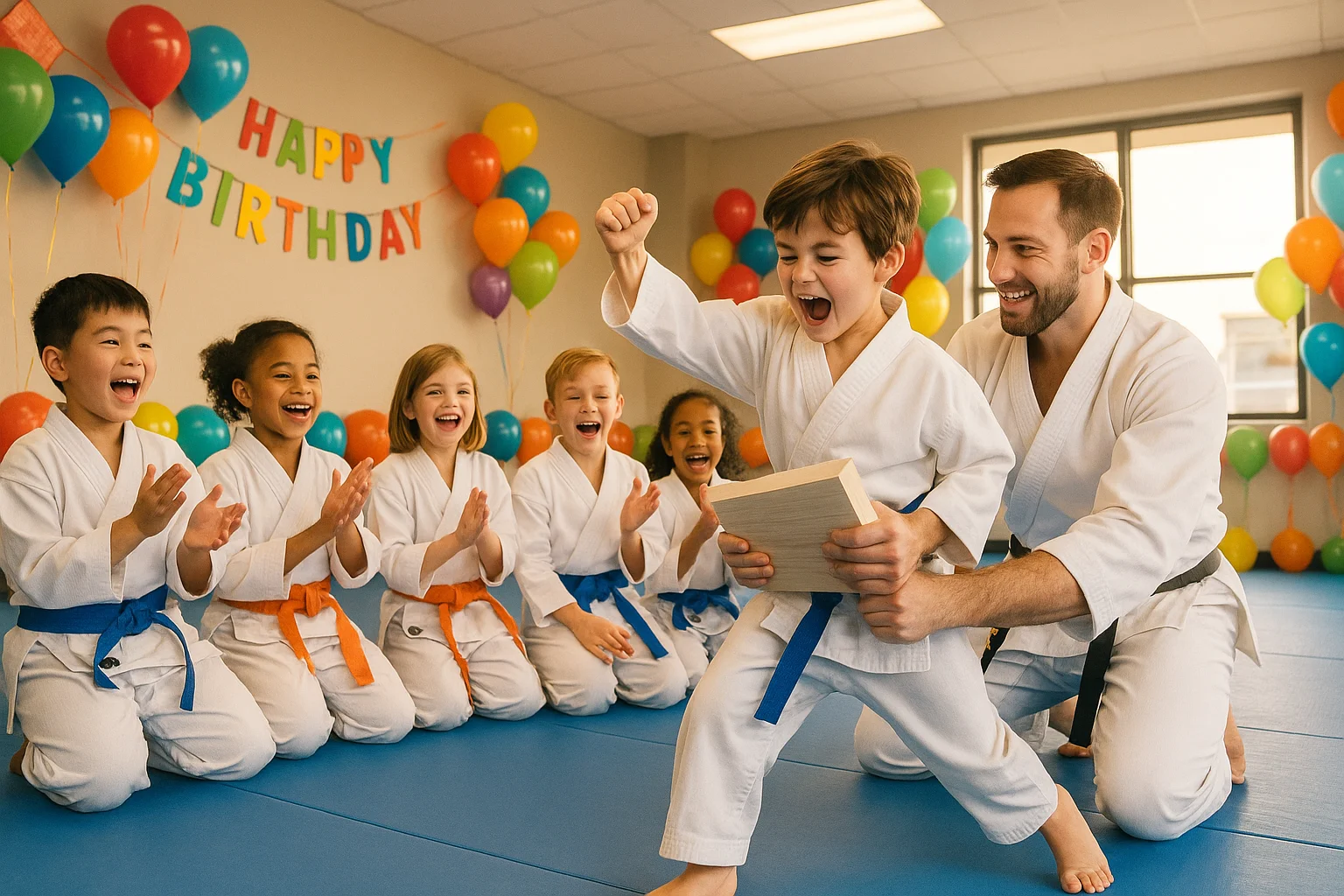
When a student successfully executes a technique they have been struggling with, the satisfaction is real. When they perform in front of their peers during a belt test, the courage required translates directly into confidence. These are not artificial confidence-building exercises. They are genuine challenges with genuine rewards.
Physical Confidence
As your body gets stronger and more capable, you naturally carry yourself differently. Better posture, smoother movement, and increased physical awareness all contribute to a more confident presence. People notice when someone moves with purpose and control, and that external feedback reinforces internal belief.
Social Confidence
Training with partners requires communication, cooperation, and trust. Students learn to work with people of different ages, sizes, and skill levels. This social interaction builds comfort in group settings and develops the interpersonal skills that many people struggle with outside the academy.
Discipline and Confidence in Children
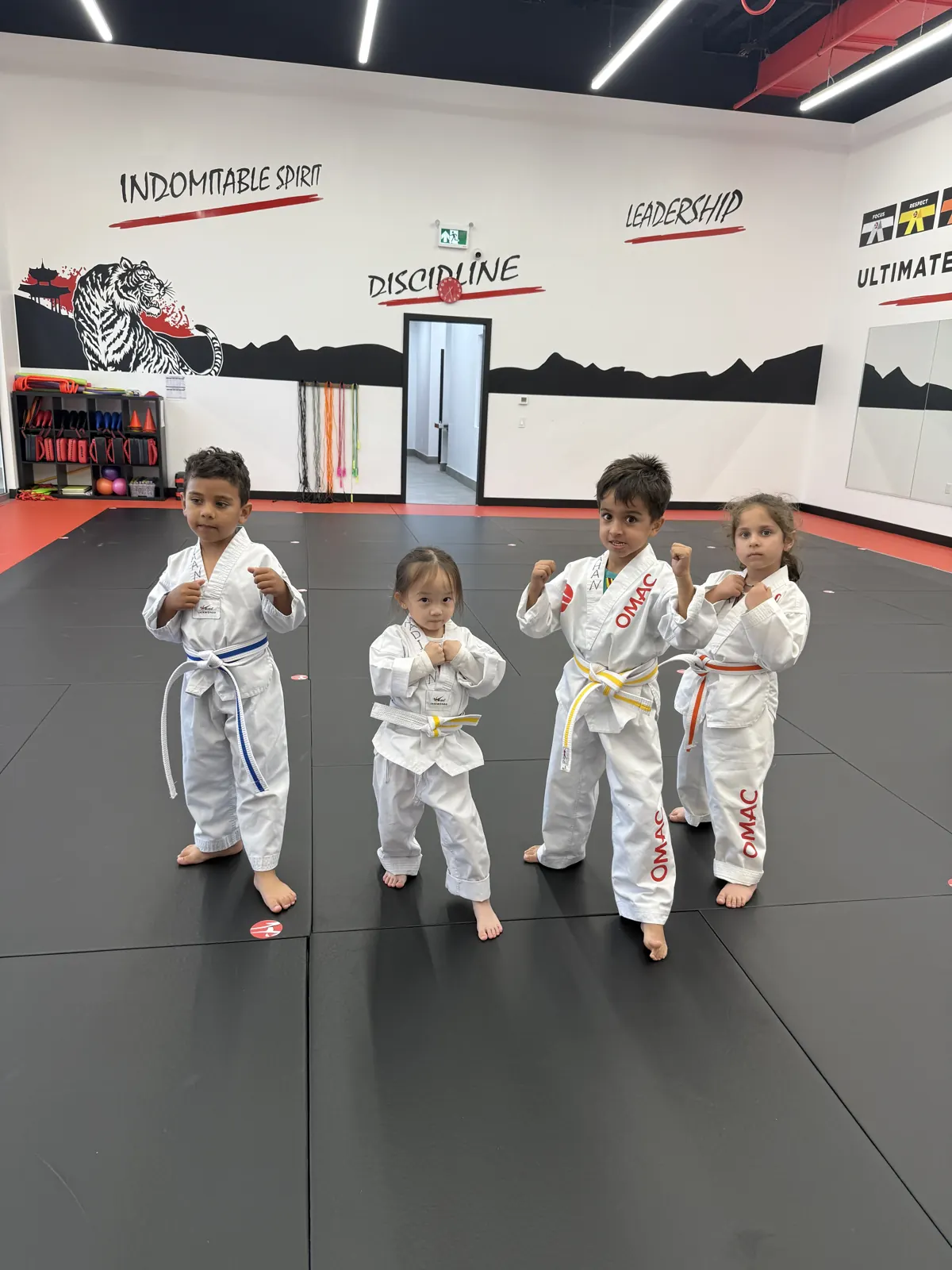
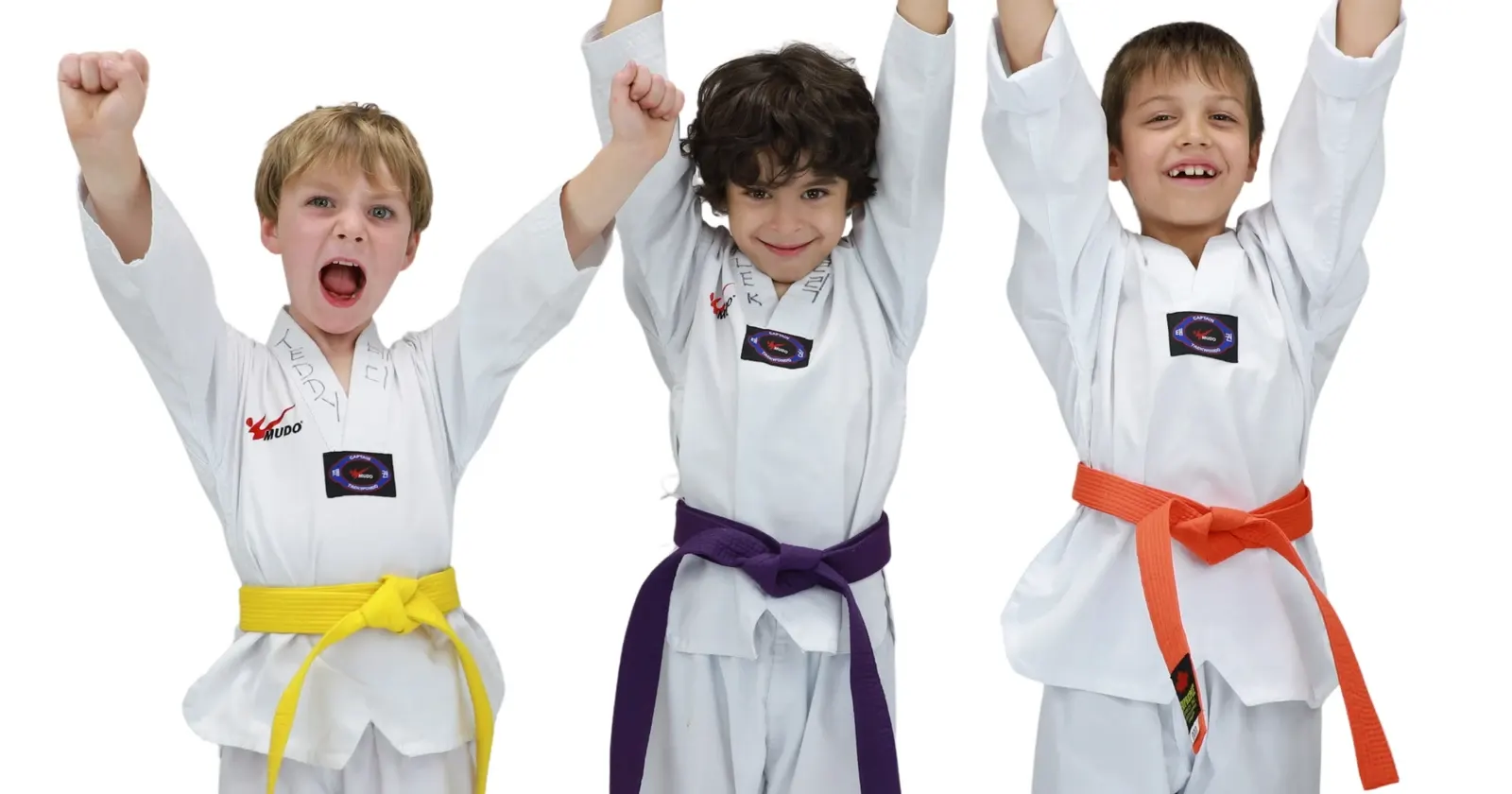
For children, martial arts provides a framework for development that school alone cannot offer. The structured environment teaches kids to listen, wait their turn, and respect authority figures, all in a setting that feels like an activity rather than a lecture.
Children who train in martial arts develop a stronger sense of personal responsibility. They learn that their progress depends on their own effort, not on external factors. This sense of ownership is one of the earliest and most important building blocks of both discipline and confidence.
Focus and Attention
Classes require children to pay attention, follow multi-step instructions, and stay on task for extended periods. These skills directly support academic performance. Parents frequently report that their children become better listeners and more focused students after beginning martial arts training.
Handling Setbacks
Every student faces moments of frustration, a technique that will not click, a sparring round that does not go as planned. Learning to respond to these moments with persistence rather than defeat builds emotional resilience. Children who learn this lesson early carry it with them throughout their lives.
Discipline and Confidence in Teens
The teenage years are defined by identity formation, peer pressure, and emotional turbulence. Martial arts provides a stable, positive anchor during this critical period.
Teens who train regularly have a structured activity that demands their best effort and rewards their commitment. This stands in sharp contrast to many of the passive, low-effort activities that dominate teenage culture. The discipline required to progress through the ranks gives teens a sense of purpose and direction that is hard to find elsewhere.
Peer Influence
The training environment surrounds teens with motivated, respectful peers and positive adult role models. This social circle reinforces good habits and provides an alternative to negative peer influence. Teens who feel confident in their abilities are also less likely to succumb to pressure from others.
Identity and Self-Worth
Earning rank and developing real skills gives teens something to be genuinely proud of. In a stage of life where self-doubt is common, having a source of proven competence can be transformative. The confidence built through martial arts is backed by tangible achievement, making it stable and lasting.
Discipline and Confidence in Adults
Adults often underestimate how much they can still grow. Many arrive at the academy assuming their habits, confidence level, and physical capacity are fixed. Martial arts quickly proves otherwise.
For adults, the discipline of maintaining a consistent training schedule creates a positive ripple effect. When you commit to showing up three times a week, you start making better decisions about sleep, nutrition, and time management to support that commitment. One disciplined habit leads to many.
Professional Benefits
The focus, composure, and goal-oriented mindset developed in training translate directly into professional life. Students report improved performance in high-pressure meetings, better time management, and a greater ability to stay calm during workplace challenges. Read more about our academy and the community that supports this growth.
Overcoming Self-Doubt
Adults carry years of accumulated self-doubt and limiting beliefs. Martial arts provides concrete evidence that you are more capable than you think. Every class you complete, every technique you learn, and every challenge you overcome chips away at those old narratives and replaces them with proof of your actual ability.
Frequently Asked Questions
How long does it take to see changes in discipline and confidence?
Most students and parents notice behavioral changes within the first four to eight weeks of consistent training. Children often show improved focus and listening skills at home and school within the first month. For adults, the shift in mindset tends to become apparent within six to eight weeks of regular attendance.
Can martial arts help a shy or introverted child?
Yes. Martial arts is particularly effective for shy children because it builds confidence gradually in a supportive environment. Students are not forced into uncomfortable social situations. Instead, they naturally develop comfort through structured partner work and progressive skill-building. Many of the most confident students at any academy started as the quietest ones in class.
Is discipline in martial arts too strict for young children?
Not at all. The discipline in a quality martial arts class is age-appropriate and positive. For young children, it looks like learning to raise their hand, waiting for their turn, and following simple directions. It is taught through encouragement and structure, not through intimidation or punishment.
Will martial arts make my child or teenager aggressive?
The opposite is true. Martial arts training emphasizes self-control, respect, and responsible use of skills. Students learn that true strength is shown through restraint, not aggression. Research consistently shows that martial arts training reduces aggressive behavior in children and teens rather than increasing it.
Can adults with no experience still develop discipline through martial arts?
Absolutely. Adults are never too old or too inexperienced to benefit from the structure of martial arts training. In fact, adults often progress quickly because they bring life experience, motivation, and the ability to apply lessons beyond the training floor. The discipline you build in class becomes a tool you use in every aspect of your life.
Build Your Foundation Today
Discipline and confidence are not personality traits you either have or you do not. They are skills that can be developed at any age through the right practice. Martial arts provides the structure, challenge, and support system needed to build both. Contact us today to schedule a free trial class and take the first step toward a stronger, more confident version of yourself.
Book a free trial at OMAC Martial Arts - Richmond Hill. No experience needed, ages 3.5 and up.
Book a free trial class